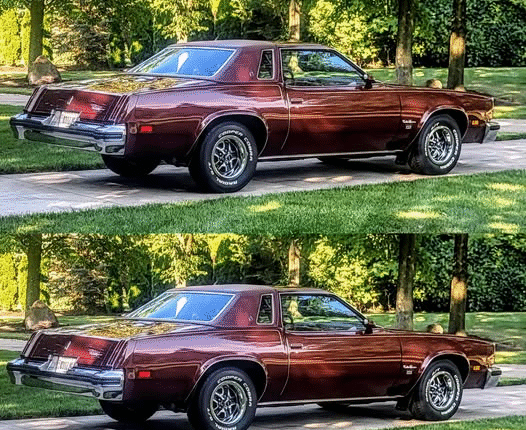
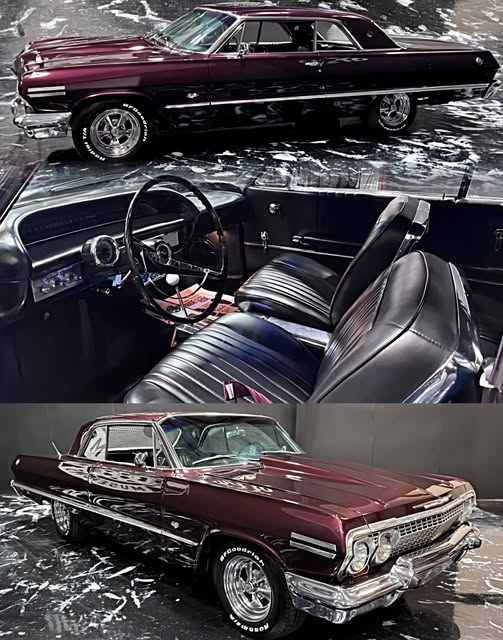
The 1963 Chevrolet Impala Super Sport — deep maroon paint shimmering like fine wine, chrome glinting under garage lights, and a stance that spoke of both muscle and majesty. For some, it was just a car. For Miguel Santos, it was the heartbeat of his youth — a machine that carried his dreams, his struggles, and his redemption.
Miguel grew up in East Los Angeles in the late 1970s, a neighborhood where the streets told stories — of culture, of rhythm, of resilience. Life wasn’t always easy, but it was real. The Impala, sitting in an old man’s driveway a few blocks down, was the neighborhood’s crown jewel. Everyone knew that car. It had once belonged to Rico Alvarez, a local legend who built it by hand after returning from Vietnam.
The car had a reputation — not for racing, but for presence. When Rico rolled through the boulevard in that maroon SS, it wasn’t just metal moving down asphalt — it was poetry on wheels. But after Rico passed unexpectedly, the Impala sat idle, covered in dust, its tires flat, chrome dulled with time.
To most, it was a relic.
To Miguel, it was destiny.
Miguel was 19 when he knocked on Rico’s widow’s door.
“Mrs. Alvarez,” he said softly, “I want to buy the Impala.”
She studied the young man, eyes weary but kind. “That car’s part of Rico,” she said.
“I know,” Miguel replied, “and I’ll take care of it like he’s still ridin’ with me.”
It took months of saving — working nights at the auto shop, skipping meals, hustling odd jobs — but eventually, the Impala was his. The day he pushed it out of that cracked driveway, sunlight caught the hood, and for the first time in years, the car seemed alive again.
The restoration became a mission.
New chrome. Repainted panels. A rebuilt 327 small-block that rumbled like thunder. Inside, the black vinyl seats were redone stitch by stitch. The steering wheel, thin and elegant, was polished until it gleamed. Miguel didn’t just restore the Impala — he resurrected it.
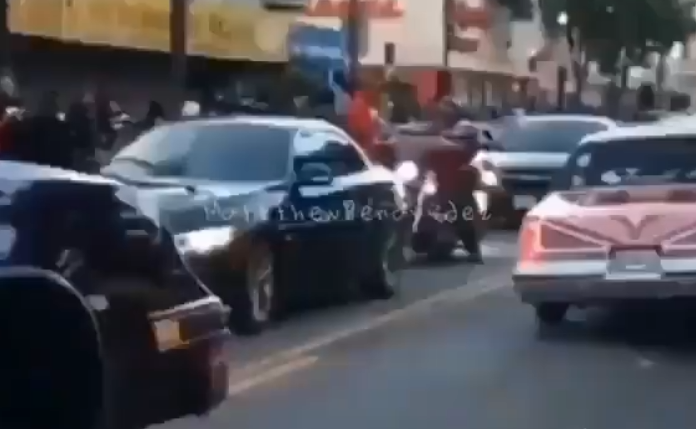
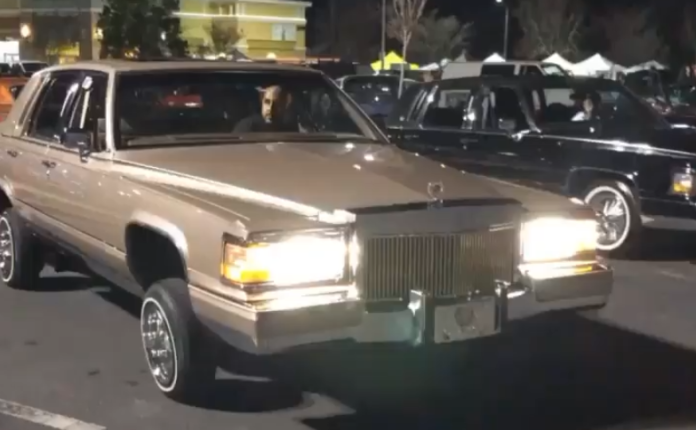
When it was finally finished, he took it out for a slow cruise down Whittier Boulevard. The engine purred, the white-letter tires rolled smooth, and old-school tunes flowed through the speakers — The Miracles, The Delfonics, The Impressions. Heads turned. People nodded. The legend was back.
But Miguel didn’t use it to show off — he used it to remember. Every drive was a connection to Rico, to his neighborhood, to a generation that built pride with their hands and dreams with wrenches.
Years later, life changed. Miguel got married, had kids, and opened his own shop — Santos Customs — a place where old cars found new life. The Impala sat in the corner, not forgotten, but revered. Customers would ask, “Is that the famous ’63?” and Miguel would grin.
“Yeah,” he’d say, patting the fender, “she’s family.”
On weekends, he’d take his son, Adrian, for rides. They’d glide through the streets, the same ones Miguel once walked barefoot as a kid, the same ones that echoed with lowrider culture, laughter, and low bass.
“Listen, mijo,” Miguel would say, “this car isn’t just about horsepower. It’s about heart. Every scratch, every sound — it tells a story.”
Adrian would nod, wide-eyed, tracing the chrome trim with his fingers as if feeling history itself.
When Miguel grew older, arthritis took his hands, and wrenching became harder. But every Sunday, he’d still sit in that Impala — radio low, engine idling — and think back. To Rico. To his youth. To the nights when the world felt small, and dreams fit perfectly behind a steering wheel.
And when Miguel passed on, just like Rico before him, the Impala stayed. Adrian inherited it, just as his father had promised.
He didn’t change much — just tuned it up, polished it, and kept it alive. One evening, as the sun dipped below the city skyline, Adrian pulled out of the garage. The deep maroon shimmered once more, chrome catching the glow of the streetlights.
People looked up.
Some smiled, some nodded — older folks recognizing the sound, the shape, the soul.
The ’63 Impala SS rolled by, slow and proud — not a ghost, but a legacy.
And in that moment, the streets of East L.A. whispered once more:
Legends never die. They just change drivers.